How to File a Wind Damage Insurance Claim in Illinois?
How to File a Wind Damage Insurance Claim in Illinois?
February 28, 2026
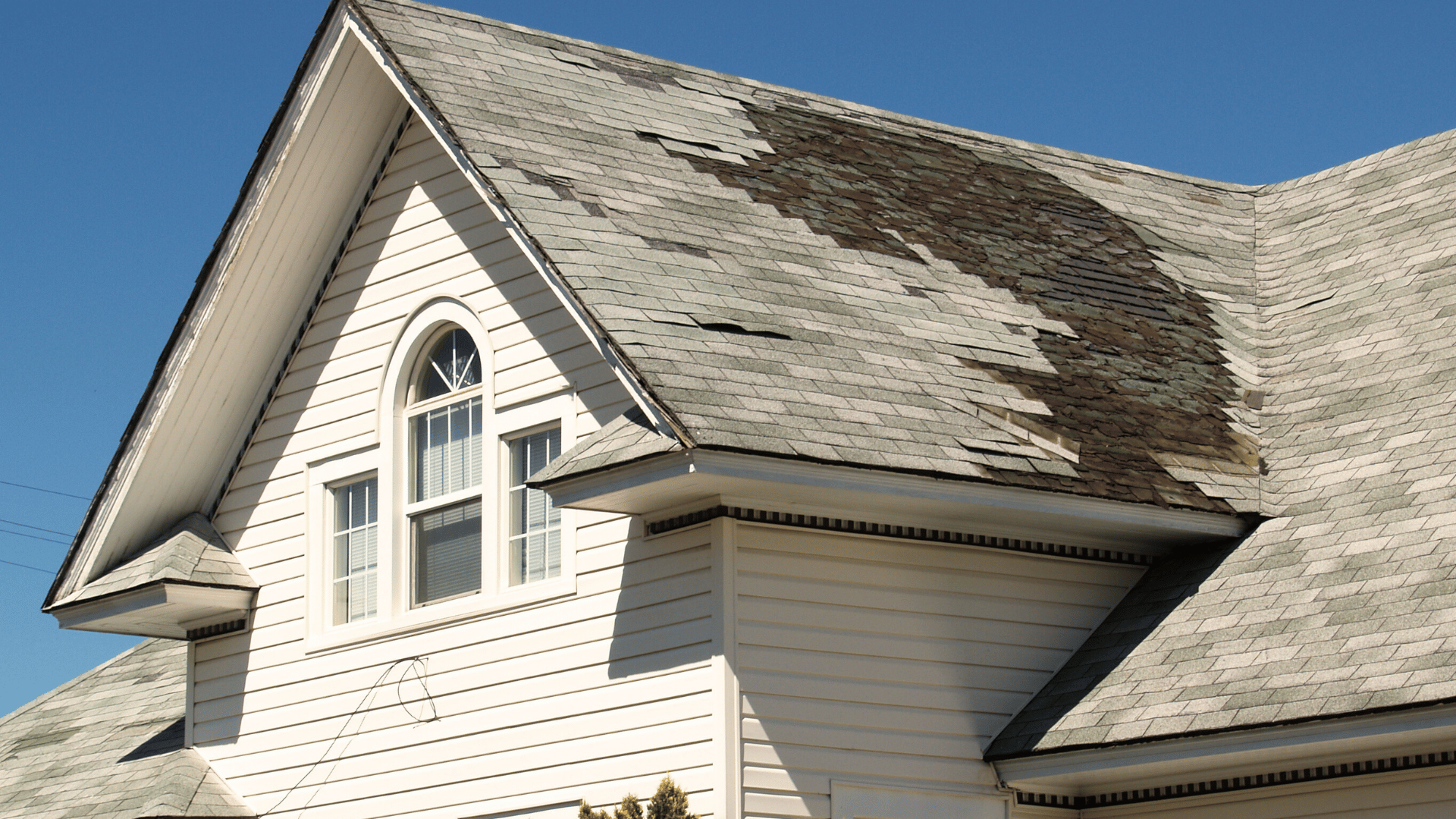
When a powerful windstorm rips through your neighborhood in Illinois, the aftermath can be both stressful and confusing. Fallen trees, missing shingles, damaged siding, broken fences — the list of what a strong storm can do to a property is long. But knowing how to file a wind damage insurance claim correctly can be the difference between receiving a fair payout and leaving thousands of dollars on the table.
This guide walks you through the entire process, step by step, so you can approach your insurance claim with confidence.
Understanding Wind Damage Coverage in Illinois
Most standard homeowner’s insurance policies in Illinois cover wind damage, including damage caused by tornadoes and severe thunderstorm winds. However, coverage details vary significantly from one policy to another. Some policies exclude certain types of wind damage, or apply separate deductibles for wind and hail events. Before you assume you’re covered — or that you’re not — it’s important to carefully review your specific policy.
Key things to look for in your policy include: the definition of a covered weather event, your deductible amount, exclusions or limitations, and any requirements about how quickly you must report damage.
Step 1: Document the Damage Thoroughly
After a windstorm, before you move, repair, or clean up anything, document everything. Walk your entire property and take photos and videos of every damaged area. This includes the roof, siding, windows, doors, fencing, detached structures, and any damaged personal property. Don’t forget to capture the surrounding context — a photo of a large branch that fell through your roof is more compelling to an insurance adjuster than a photo of just the hole.
If it’s safe to do so, also take photos from multiple angles and distances. The more documentation you have, the stronger your claim.
Step 2: Make Temporary Repairs to Prevent Further Damage
Most insurance policies require homeowners to take reasonable steps to prevent additional damage after a storm. If part of your roof is exposed, covering it with a tarp can prevent water intrusion. If a window is broken, boarding it up is reasonable. Keep all receipts for emergency materials and labor — these costs are often reimbursable under your policy.
Importantly, don’t make permanent repairs until your claim has been documented and an adjuster has inspected the damage. Permanent repairs made before an inspection can actually complicate or reduce your claim.
Step 3: File Your Claim Promptly
Contact your insurance company as soon as possible. Most insurers have a specific window of time in which you must report damage. While Illinois law doesn’t set a universal deadline for reporting claims, your individual policy may have strict requirements. Filing quickly also puts you earlier in the queue — during major storm events, adjusters can be backed up for weeks.
When you file, document every conversation with your insurer. Note the date, the name of the representative you spoke with, and a summary of what was discussed. This paper trail can be important if any disputes arise later.
Step 4: Understand What the Insurance Adjuster Will Look For
The insurance company will send their own adjuster to inspect your property. This person works for the insurer — their role is to assess damage and determine what the company owes under your policy. While many adjusters are thorough and fair, they may also work under time pressure and handle dozens of claims at once. As a result, some damage items can be missed or undervalued.
Common items that insurance adjusters overlook after wind events include:
- Damage to roof decking hidden beneath shingles
- Lifted or loosened shingles that haven’t fully detached
- Soffit and fascia damage
- Wind-driven water intrusion around windows or doors
- Damage to detached structures like garages or fences
Step 5: Review the Adjuster’s Report Carefully
After the inspection, you’ll receive a written estimate from the insurance company. Read it carefully. Compare it against your own documentation. Ask yourself: Does this estimate account for all the damage I documented? Are the repair costs reasonable for Illinois contractors? Is anything missing?
If the estimate seems low or incomplete, you have the right to dispute it. This is where working with a public adjuster becomes especially valuable.
How Red Line Adjusting Helps with Wind Damage Claims
At Red Line Adjusting, we handle wind damage claims throughout Illinois. Our team inspects your property with the same level of detail as a professional insurance adjuster — but we’re working for you. We document all visible and hidden damage, prepare a thorough claim submission, and negotiate directly with your insurance company to help ensure you receive the full value of your claim.
Many of our clients come to us after receiving a settlement offer that felt incomplete. In many cases, we’re able to identify damage that was missed and re-open or supplement the claim to reflect the true scope of repairs needed.
Final Thoughts
Filing a wind damage claim in Illinois doesn’t have to be a frustrating experience. With the right documentation, prompt action, and professional support, you can navigate the process confidently. If you’re unsure whether your claim is being handled fairly — or if you want support from the very beginning — we’re here to help.
📞 Need help with your insurance claim? Contact Red Line Adjusting for a FREE consultation: (331) 684-0470 | redlineadjusting.com