Illinois Flood Damage: What Your Insurance Covers and What It Doesn't

Illinois Flood Damage: What Your Insurance Covers and What It Doesn't
Flooding is one of the most common and costly natural disasters in Illinois. From heavy spring rains causing basement flooding in Chicago suburbs to riverine flooding near the Fox and Des Plaines rivers, water damage affects thousands of Illinois property owners every year. But when it comes to insurance coverage, flood damage is also one of the most misunderstood categories.
If your property has been damaged by water, the most important question is: what actually caused the water to enter your home? The answer determines which type of insurance applies — and whether your claim will be covered at all.
The Key Distinction: Flood vs. Water Damage
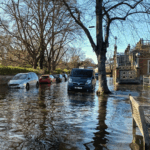
Standard homeowner’s insurance policies do not cover flooding. This surprises many property owners who assume that any water damage is covered. In insurance terms, ‘flood’ specifically refers to water that rises from an external source — overflowing rivers, heavy rainfall that accumulates on the ground, or storm surge. This type of damage requires a separate flood insurance policy, typically through the National Flood Insurance Program (NFIP) or a private flood insurer.
However, standard homeowner’s insurance typically does cover sudden and accidental water damage that originates inside the home — such as a burst pipe, a failed water heater, or an overflow from a washing machine. It may also cover water that enters through a damaged roof after a storm.
What Standard Homeowner’s Insurance Typically Covers
- Sudden pipe bursts or plumbing failures
- Water damage resulting from a covered storm event (e.g., rain entering through a storm-damaged roof)
- Overflow from appliances like dishwashers or washing machines
- Water damage caused by firefighting efforts
In each of these cases, the key word is ‘sudden.’ Gradual water damage — such as a slow leak behind a wall that develops over months — is typically not covered because insurers expect homeowners to perform routine maintenance and catch developing problems.
What Standard Homeowner’s Insurance Does NOT Cover
- Groundwater rising into your basement (classic flood scenario)
- Sewer or drain backup (unless you have a specific endorsement)
- Water seeping through your foundation
- Damage from long-term leaks or neglected maintenance
Sewer backup is a particularly common issue in Illinois after heavy rains, and it’s worth knowing that many standard policies exclude it. A sewer backup endorsement can be added to most homeowner’s policies for a relatively modest premium — and it’s often worth it in older neighborhoods with aging infrastructure.
Do You Have Flood Insurance?
If your property is in a designated flood zone in Illinois, your mortgage lender may have required you to carry flood insurance. But even if your property is not in a high-risk zone, flooding can and does happen. The Federal Emergency Management Agency (FEMA) reports that about 25% of all flood insurance claims come from properties outside high-risk flood zones.
If you’re unsure whether you have flood coverage, review your existing policies and contact your agent. Understanding your coverage before a flood occurs is much easier than trying to sort it out while dealing with a flooded home.
What to Do When Your Property Floods
Whether or not you have flood insurance, here are the immediate steps you should take after water enters your property:
- Ensure the electrical system is turned off before entering flooded areas
- Document all damage with photos and video before removing water or making repairs
- Contact your insurance company as soon as possible
- Begin water extraction promptly to prevent mold — mold can develop within 24–48 hours
- Keep receipts for all emergency mitigation costs, which may be reimbursable
How a Public Adjuster Can Help with Water and Flood Claims
Water and flood damage claims are complex. There are often disputes about the source of the water, the scope of the damage, and what’s covered under your specific policy. At Red Line Adjusting, we help property owners throughout Illinois navigate these complexities by conducting a thorough inspection, identifying all damaged areas (including hidden moisture damage inside walls and under flooring), and building a complete and well-documented claim.
We’ve worked on water damage claims where initial insurance estimates missed mold remediation costs, structural drying, floor replacement, and content damage — all items that were legitimately covered under the policy. Our goal is to make sure nothing falls through the cracks.
Final Thoughts
Water and flood damage in Illinois is a serious issue — but the insurance process doesn’t have to be. Understanding your coverage, documenting damage promptly, and getting professional support when you need it can make a significant difference in your claim outcome.
📞 Need help with your insurance claim? Contact Red Line Adjusting for a FREE consultation: (331) 684-0470 | redlineadjusting.com